Endocrine system PowerPoint Presentation free download Biology Diagrams
BlogEndocrine system PowerPoint Presentation free download Biology Diagrams What is the anatomy of the adrenal cortex? You have two adrenal glands — one on top of each kidney. They contain the cortex, the largest part of the gland, and the medulla, the smaller inner part. Your adrenal gland is highly vascular, with as many as 50 arterial branches providing its blood supply. When does the adrenal cortex develop? These two major sections of the adrenal are called the adrenal medulla (inner layer), and the adrenal cortex (outer layer). The Adrenal Medulla: The adrenal medulla comes from the neural crest (i.e. embryological basis similar to your central and peripheral nervous systems). It contains homogenous sheets of cells organized into nests. Adrenal Medulla: The hormones secreted by the adrenal medulla are not essential for the survival. Conclusion. Adrenal cortex and adrenal medulla are two major cell layers of the adrenal gland. The adrenal gland is located on the top of the kidney. Both adrenal cortex and adrenal medulla secrete hormones to regulate the functions of the body.
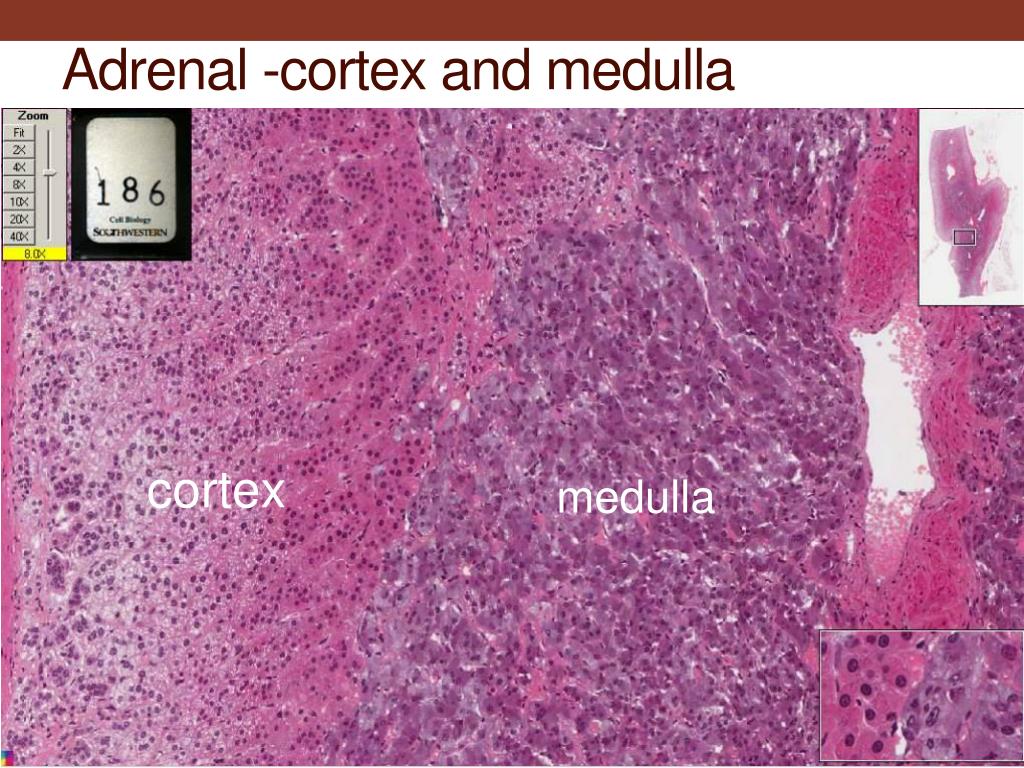
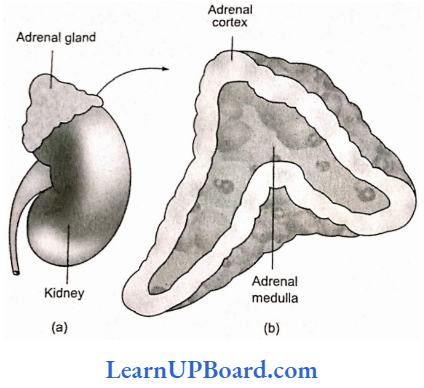
Anatomy . As mentioned, the adrenal glands are two small, roughly triangular glands that sit directly on top of the kidneys. The two major parts of the adrenal gland are the cortex and the medulla. The gland is surrounded by an adipose (fatty) capsule, which acts as a protective barrier.

Difference Between Adrenal Cortex and Adrenal Medulla Biology Diagrams
Anatomical Structure. The adrenal glands consist of an outer connective tissue capsule, a cortex and a medulla.. Veins and lymphatics leave each gland via the hilum, but arteries and nerves enter the glands at numerous sites.. The outer cortex and inner medulla are the functional portions of the gland.
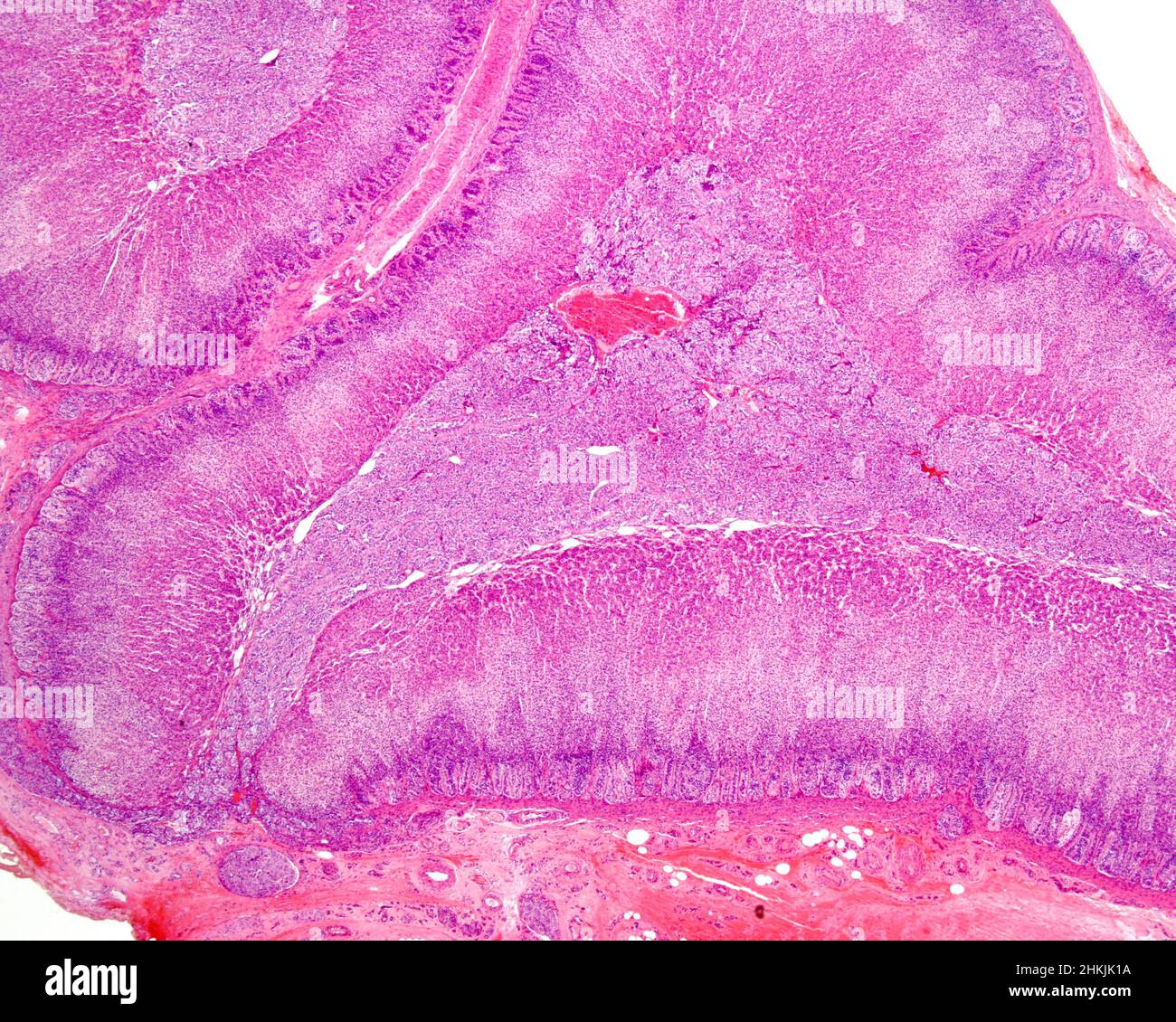
The adrenal gland is made up of the cortex and medulla. The cortex produces steroid hormones including glucocorticoids, mineralocorticoids, and adrenal androgens, and the medulla produces the catecholamines, epinephrine, and norepinephrine. This brief article reviews the physiology of the adrenal gland and highlights the relevance of understanding the clinical syndromes of excess and deficiency.
Adrenal Glands Function and Signs of Problems Biology Diagrams
The adrenal glands consist of the adrenal cortex and medulla, which have distinct, albeit interdependent functional properties. The adrenal cortex contains the zona glomerulosa that produces mineralocorticoids, the zona fasciculata that is the site of glucocorticoid biosynthesis, and the zona reticularis, which is responsible for the production of adrenal androgens. In this chapter, we discuss
